
By pressing 'Contact Us' you are agreeing to our terms and conditions and privacy policy, and consenting to receive text messages. To unsubscribe, text STOP to tel: +1 (541) 683-7663.

Discover the Benefits of Professional Roof Replacement
Safeguard Your Home with Quality Roofing
Frequently Asked Questions
Here’s what homeowners and business owners ask most about our roofing services in Springfield.
This is one of the most common questions we get, and the honest answer is: it depends. Roof lifespan is driven by the material you choose and how well it’s maintained in our challenging Pacific Northwest climate.
Mid-to-Top Tier Architectural Shingles
Most quality architectural shingles typically last
20–30 years in the Eugene–Springfield area. Our wet climate can be tough on roofs, though—constant moisture, moss growth, and temperature swings all accelerate wear.
Premium Roofing Systems
Newer roofing technologies are designed to last longer. Our top-tier systems include a
30-year workmanship warranty and
50-year material warranties. These shingles feature improved granule adhesion, algae resistance, and impact protection—key upgrades for Oregon roofing.
Standing Seam Metal Roofs
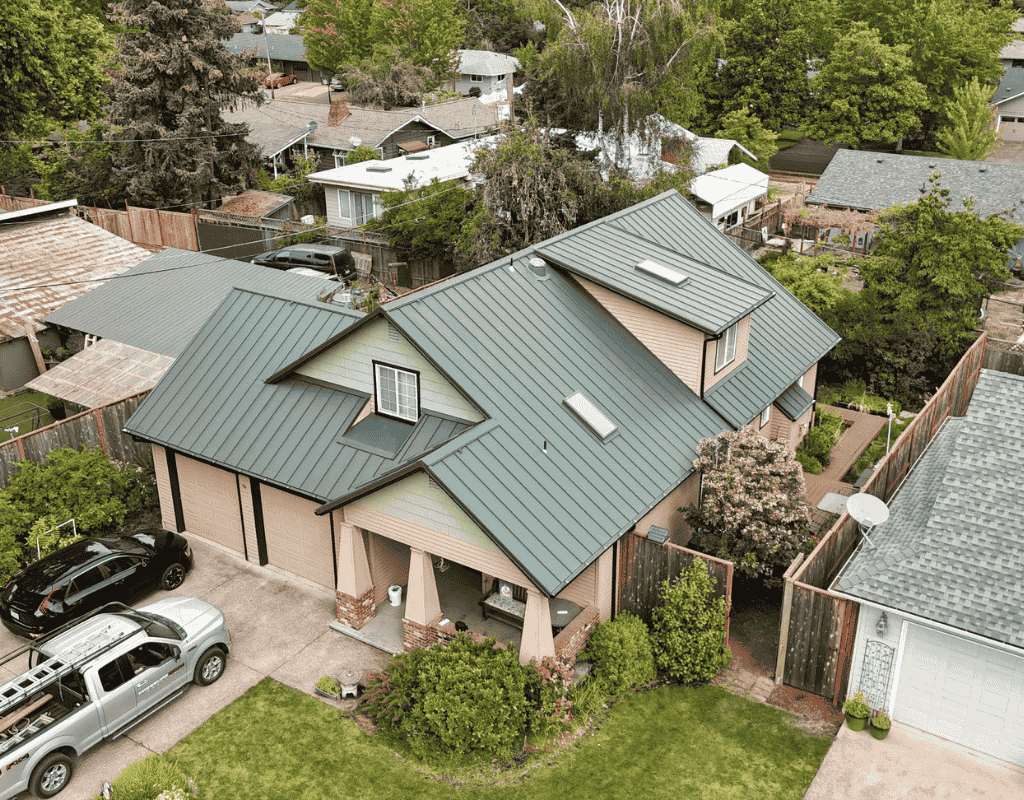
For a true long-term investment, standing seam metal roofing can last
50+ years to a lifetime with minimal maintenance. Metal doesn’t absorb moisture, resists moss far better than shingles, and performs exceptionally well in wind and ice storms. We saw this firsthand during the 2024 ice storm when metal roofs in Springfield held up extremely well.
Low-Slope Membrane Roofs (PVC or TPO)
Flat or low-pitch roofs—common on additions, garages, and modern homes—are best served by PVC or TPO membrane systems. When properly installed and maintained, these roofs typically last
20–30 years.
Let’s be honest—our climate is beautiful but brutal on roofs. Moss growth, constant moisture, falling debris from trees, and poor attic ventilation all shorten roof lifespan.
Maintenance makes a real difference. We’ve seen 15-year-old roofs that look worn out because they weren’t maintained, and 25-year-old roofs still performing well because the homeowner stayed on top of cleaning and moss prevention.
Bottom Line:
The lifespan of your Springfield roof comes down to material quality, proper installation, and regular maintenance. Choose the right system, install it correctly, and take care of it—and your roof will serve you well in Oregon’s demanding climate.
Knowing when to replace your roof can save you from costly water damage, mold problems, and emergency repairs. In Springfield and Eugene, our wet climate means small roofing issues can escalate fast. Watch for these roof replacement warning signs.
Shiny Shingles and Granule Loss
Shiny shingles—especially along the edges—usually mean the protective granules have worn away. This often shows up first on the south or sun-exposed side of the roof. Granules collecting in gutters or washing into driveways are another red flag.
Some granule loss is normal during the first year or two of a new roof. It then slows significantly. Near the end of a roof’s life, granule loss accelerates again. If your roof is 15+ years old and shedding granules heavily, it’s time for an inspection.
Curling or Cracked Shingles
Curling edges or visible cracks mean shingles are no longer protecting your home effectively. Ridge cap and hip shingles often fail first due to higher sun and wind exposure. If you can see curling or cracking from the ground, don’t ignore it.
Missing Shingles
A few missing shingles after a storm can usually be repaired. But if shingles are blowing off regularly, the adhesive seal is failing and the roof is likely nearing the end of its lifespan.
Sagging Roof Deck
Visible sagging is serious. This usually points to roof deck damage caused by water intrusion, poor ventilation, or structural issues. This isn’t cosmetic—it requires immediate professional evaluation.
Water Stains and Leaks
Stains on ceilings, walls, or in the attic are clear signs of trouble. By the time you see interior staining, water has likely been getting in for a while. Regular attic inspections can catch leaks early.
Mold and Mildew Growth
Western Oregon’s humidity creates ideal conditions for mold and mildew. Black spots, musty odors, or visible mold in the attic indicate a moisture problem that needs to be addressed quickly.
Daylight Through Roof Boards
If you can see daylight in your attic, that means water can get in too. This is a clear sign your roof system is compromised.
Higher Energy Bills
Rising heating or cooling costs can be a symptom of poor roof ventilation or failing insulation. A roof that isn’t performing well allows conditioned air to escape.
The wet Willamette Valley climate accelerates roof deterioration compared to drier regions. Constant moisture, moss growth, and winter freeze-thaw cycles all take a toll. The January 2024 ice storm alone damaged hundreds of Springfield roofs. If your roof took a hit and hasn’t been inspected, now is the time.
Not Comfortable Climbing Into Your Attic?
We get it. Give us a call for a free roof and attic inspection in Springfield, Oregon. We’ll check everything thoroughly and provide a clear, honest assessment of your roof’s condition.
If you’re planning ahead and not dealing with an emergency leak, timing your roof replacement in Springfield, Oregon can make the process smoother. Each season in the Pacific Northwest has its pros and cons.
Late Spring (May–June): Excellent
One of our busiest times for good reason. Warmer temperatures, less frequent rain, and comfortable working conditions make this an ideal window. Shingles seal properly, but scheduling fills up fast—book early if you want a spring installation.
Summer (July–August): Ideal
The best time of year for roofing in Oregon. Long stretches of dry weather, warm temperatures, and extended daylight hours allow for efficient installations. On extreme heat days (95–100°F), we start early to protect our crews. Summer schedules fill quickly, so advance planning is key.
Early Fall (September–October): Excellent
Early fall offers stable weather and cooler temperatures. September and early October are ideal before heavier rains return. By late October, we monitor weather windows more closely as rain becomes more frequent.
Late Fall & Winter (November–February): We Roof Year-Round
Yes, we roof in winter. As experienced Oregon roofing contractors, we have systems in place to safely complete quality installations during winter months. Weather requires more planning, but winter roofing is something we do regularly and do well.
Spring (March–April): Good with Planning
Spring can be unpredictable. Some weeks are dry and perfect for roofing, others bring steady rain. With flexibility and careful planning, spring roofing works well by taking advantage of available weather windows.
Shingle Sealing
Shingles seal best in warm weather, but it doesn’t take much. A day or two of sunshine is usually enough, and Oregon provides sunny breaks throughout the year—even in winter. There’s no need to wait until summer for proper sealing.
Worker Safety and Efficiency
Wet, cold, or icy roofs increase safety risks. We never compromise safety. In good weather, work moves efficiently. In challenging conditions, extra precautions are required and timelines can extend.
Your Home’s Protection
Dry weather minimizes risk during tear-off and installation. In wet or uncertain conditions, we use extensive tarping, work in controlled sections, and plan every step around the forecast to keep your home protected.
We successfully roof year-round in Springfield and Eugene. Late spring and summer offer the most predictable conditions, but if you need a roof in fall, winter, or early spring, we’re fully equipped to handle it. Don’t delay a necessary roof replacement just because it’s not summer.
Emergency Replacements
Leaks and storm damage don’t wait. If you need an emergency roof replacement in Springfield or Eugene, call us regardless of season. We’ll get you scheduled as soon as it’s safe and use temporary protection to keep your home secure until installation.
Don’t worry—this is a common and completely reasonable concern given our rainy Springfield, Oregon climate. The short answer is simple: your new roof is designed to shed water immediately, even during installation.
After Underlayment Installation
Once your old shingles are removed and GAF Tiger Paw synthetic underlayment is installed, that section of the roof is protected. This modern underlayment is designed to shed water and keep your home dry when installed correctly.
GAF Tiger Paw is rated to remain exposed for up to 180 days. If rain starts mid-project, your home stays protected. The underlayment can remain exposed overnight—or longer if needed—without putting your home at risk.
After Shingle Installation
Once shingles are installed over the underlayment, you have two layers of protection. Rain simply runs off the roof as designed, even though the shingles haven’t fully sealed yet.
New architectural shingles don’t seal instantly. Each shingle has a heat-activated adhesive strip that bonds it to the shingle above.
Do Shingles Need Warm Weather?
Shingles seal faster in warm weather, but it doesn’t take much. One or two sunny days is usually enough, and we get those breaks year-round—even in January, February, and March. There’s no need to wait until summer for proper sealing.
What This Means
Even before shingles are fully sealed, your roof is completely protected. Nails hold the shingles securely, gravity directs water off the roof, and everything performs exactly as designed. Rain during the sealing period is not a problem.
We’ve installed thousands of roofs in Eugene and Springfield, and it has absolutely rained right after completion many times. The result is always the same: nothing happens. Your roof sheds water and keeps your home dry.
Quality Installation Matters
Professional installation makes all the difference. We:
Wind Concerns Before Shingles Seal
The only real risk before shingles fully seal is extreme wind—typically 50+ mph gusts. Shingle blow-off is rare with proper installation, but if it does happen, it’s covered under our workmanship warranty. We’ll replace any damaged shingles at no cost to you.
We Monitor Weather Closely
We watch forecasts carefully and avoid starting projects right before severe weather. We plan around normal Oregon rain but never schedule tear-offs ahead of major windstorms.
Your Peace of Mind
We’ve been roofing in one of the rainiest climates in the country for years. We know how to protect your home at every stage, and we stand behind our work.
Questions or concerns during your project?
Give us a call anytime. We’re happy to explain what stage your roof is in and confirm that everything is fully watertight and protected.